
Vacant Florida Property Checklist
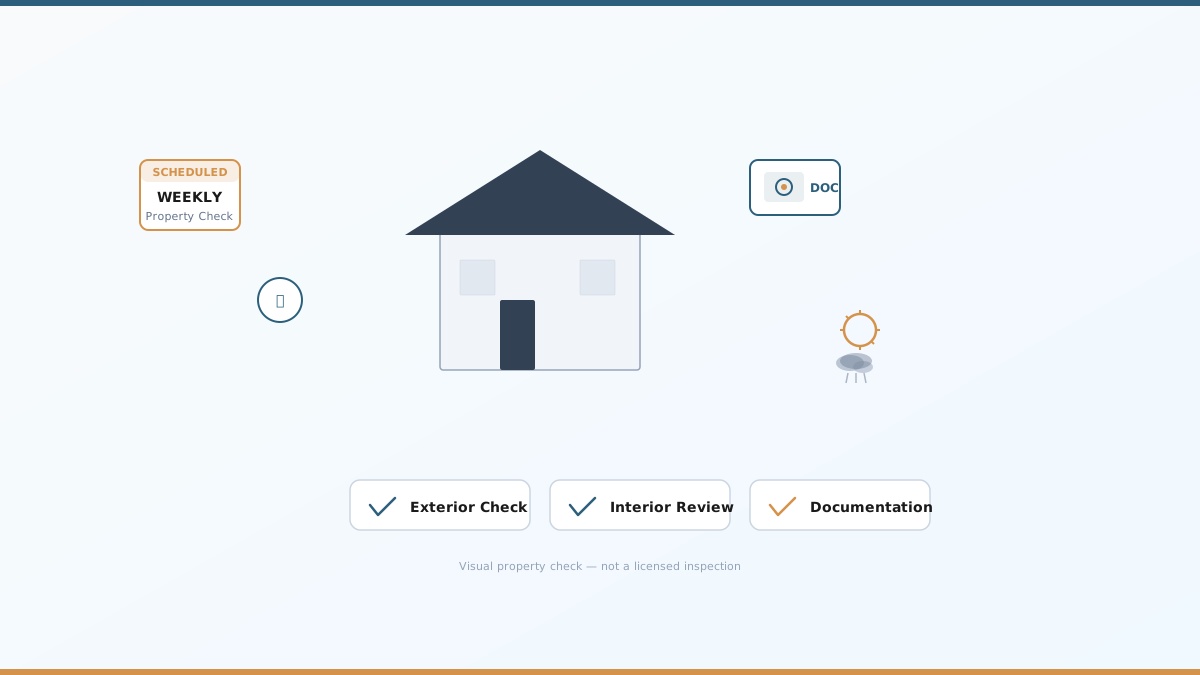
Work through these groups during a scheduled visit, adjusting items to the specific property, access arrangements, and agreed service scope. Everything here is a visual observation — look, note, and photograph. Nothing on this list requires moving furniture, opening walls, or operating systems.
Exterior
- Doors, locks, and accessible windows appearing secure
- Obvious signs of unauthorized access or forced entry
- Accumulated mail, flyers, newspapers, or packages
- Exterior debris, fallen branches, or wind-blown items
- Entryways, walkways, and driveways — condition and trip hazards
- Visible storm or wind-related changes
- Gates — function and whether they are properly secured
- Accessible exterior-wall condition — visible staining or cracks
- Pool-equipment area condition, where applicable and accessible
Interior
- Visible signs of water intrusion or moisture
- Ceiling, wall, or floor staining and changes
- Unusual odors — musty, chemical, or gas-like
- General room-by-room visible condition
- Visible pest activity — droppings, nesting, damaged surfaces
- Accessible doors and windows — latches and frame condition
- Thermostat display and any obvious error indicator
- Appliance visual condition, where applicable
Accessible Plumbing & Fixtures
- Visible leaks under sinks or around toilets
- Running toilets or dripping faucets
- Obvious fixture damage or missing hardware
- Water-heater area — visible pooling or corrosion
- Visible signs of prior water damage — warped cabinetry, baseboard staining
Property Readiness & Safety Observations
- Smoke and carbon-monoxide detector visible condition — battery chirp or indicator light
- Accessible fire-extinguisher presence and gauge reading
- Visible circuit-breaker panel condition
- General cleanliness and readiness
Documentation
- Visit date and confirmation recorded
- Written notes completed by area or category
- Authorized photographs taken
- Visible concerns summarized
- Items requiring professional follow-up flagged
- Owner communication and next steps sent
Items on this checklist are visual observations only. Concerns requiring technical diagnosis, regulated trade work, or professional evaluation should be referred to an appropriately licensed professional.
Need a Local Set of Eyes on the Property?
Suncoast Property Service Group provides scheduled Vacant Property Checks & Home Watch for seasonal, vacant and primarily unoccupied properties throughout Sarasota and Manatee Counties.
Why Vacant Florida Properties Need Regular Attention
Florida’s climate creates conditions that can affect an unoccupied property quickly — even one that was in good shape a few weeks earlier. High humidity, frequent rain, severe weather, and warm temperatures contribute to common concerns that may go unnoticed when no one is regularly on site.
Without periodic visual checks, small issues can compound. A slow leak can cause staining or material damage over time. Exterior debris can accumulate, signaling vacancy to passersby. HVAC system issues may not be discovered until a prospective tenant, buyer, or inspector arrives. Pests may establish themselves in an undisturbed structure. A property that looks abandoned may attract unwanted attention.
For seasonal residents, out-of-state owners, investors, landlords between tenants, and anyone managing a vacant property from a distance, a routine visual check is not a guarantee — but it provides a regular point of awareness that would otherwise be absent.
Understanding Visual Property Checks
A visual property check involves walking through agreed accessible areas, observing visible conditions, and documenting what can be seen without moving furniture, opening walls, operating systems, or performing diagnostic tests. The goal is organized, practical property awareness — not a licensed home inspection, structural assessment, or technical evaluation.
Visual checks cover accessible areas included in the approved plan. They do not replace a licensed home inspection, engineering assessment, code or insurance compliance inspection, environmental assessment, or security service. Concealed, inaccessible, intermittent, or developing concerns may not be observable during a scheduled visit.
When a visible concern requires specialized review, it should be referred to the appropriate licensed contractor, inspector, engineer, or other qualified professional.
Property Check Areas
Exterior Visual Observations
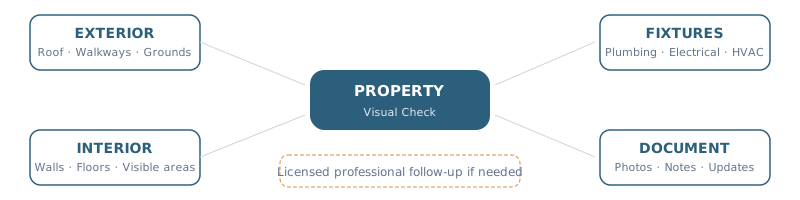
The exterior of a vacant property often reveals the first signs that something may need attention. A routine visual check typically includes a walk around the accessible exterior areas, looking for obvious changes or concerns.
- Doors, locks, and accessible windows appearing secure
- Obvious signs of unauthorized access or forced entry
- Accumulated mail, flyers, newspapers, or packages
- Exterior debris, fallen branches, or wind-blown items
- Entryways, walkways, and driveways — condition and trip hazards
- Visible storm or wind-related changes
- Gates — function and whether they are properly secured
- Accessible exterior-wall condition — visible staining or cracks
- Pool-equipment area condition, where applicable and accessible
Interior Visual Observations
Inside the property, the goal is to observe visible conditions in the agreed accessible rooms without moving furniture or accessing concealed spaces.
- Visible signs of water intrusion or moisture
- Ceiling, wall, or floor staining and changes
- Unusual odors — musty, chemical, or gas-like
- General room-by-room visible condition
- Visible pest activity — droppings, nesting, damaged surfaces
- Accessible doors and windows — latches and frame condition
- Thermostat display and any obvious error indicator
- Appliance visual condition, where applicable
Accessible Plumbing and Fixture Observations
Water is one of the most common sources of property damage in Florida. A quick check of accessible fixtures can identify visible concerns before they escalate.
- Visible leaks under sinks or around toilets
- Running toilets or dripping faucets
- Obvious fixture damage or missing hardware
- Water-heater area — visible pooling or corrosion
- Visible signs of prior water damage — warped cabinetry, baseboard staining
These observations are visual only. Suncoast does not perform plumbing diagnostics, pressure tests, or system repairs beyond basic fixture-level items within its service scope.
Property Documentation
Documentation serves as the primary output of a scheduled vacant-property visit. The owner or property manager should receive a clear record of what was observed, not just a verbal summary.
Depending on the agreed service plan, documentation may include:
- Visit date and confirmation recorded
- Written notes completed by area or category
- Authorized photographs taken
- Visible concerns summarized
- Items requiring professional follow-up flagged
- Owner communication and next steps sent
Severe Weather Considerations
Florida’s storm season, which typically runs from June through November, presents specific challenges for vacant properties. Owners who are out of the area during storm season often have particular concerns about what they will find when the weather clears.
Scheduled property visits may support severe-weather preparedness through:
- Pre-storm documentation — recording visible exterior and interior conditions before severe weather arrives, so post-storm changes can be compared against a recent baseline
- Approved preparation tasks — securing outdoor furniture, checking accessible shutters, clearing debris that could become airborne
- Post-storm visual observations — documenting visible exterior and interior conditions after weather has passed, within the constraints of safe access and scheduling availability
Suncoast does not guarantee storm protection, damage prevention, immediate post-storm availability, or identification of every weather-related concern. Structural, roofing, electrical, and other specialized assessments should be performed by the appropriate licensed professional.
When to Contact a Licensed Professional
A visual property check can identify visible concerns but cannot diagnose their cause or prescribe a remedy beyond basic observations. Some findings should prompt the owner or property manager to contact the appropriate licensed professional, not a general property-services provider.
Examples include, but are not limited to:
- Electrical concerns including flickering lights, warm outlets, tripped breakers that continue to trip, or exposed wiring
- Plumbing issues beyond a visible drip — suspected pipe leaks, sewer odors, water-pressure changes, water-heater malfunction
- HVAC problems — inability to maintain temperature, unusual noises, or error codes
- Roofing concerns — missing, damaged, or displaced roofing materials; interior ceiling staining of uncertain origin
- Structural observations — new or worsening cracks, settling indicators, framing concerns
- Mold or environmental issues — visible growth that exceeds surface cleaning, or conditions suggesting a hidden moisture source
- Pest infestations requiring a licensed pest-control provider
Suncoast documents these observations but does not diagnose the underlying cause, determine whether a condition is hazardous, or perform regulated trade work.
How Often Should a Property Be Checked?
There is no single schedule that applies to every vacant Florida property. The appropriate frequency depends on multiple factors and should be discussed with the owner or property manager before services begin.
Factors that may influence visit frequency include:
- Owner needs and preferences
- Insurance-policy considerations — some carriers may have vacancy-related requirements
- Homeowner or condominium association rules
- Property condition and age
- Length of expected vacancy
- Season — storm-season months may warrant more frequent visits
- Access availability — gated communities, lockbox requirements, key arrangements
- Agreed service scope and scheduling availability
Insurance requirements vary by carrier and policy. Property owners should confirm any vacancy-related visit or documentation requirements directly with their insurance company.
Suncoast does not prescribe a universal schedule or determine insurance compliance. The visit frequency should be defined in consultation with the owner, considering any requirements from the insurer, association, or other governing party.
Building a Recurring Property Care Plan
A single property check provides a snapshot. A recurring plan — combining scheduled visual checks, documentation, approved maintenance, exterior cleaning, and related services — gives owners and property managers a more complete property-care picture over time.
Recurring plans can be designed around the specific property, the owner’s needs, and the season. Suncoast may coordinate approved cleanouts, minor repairs, pressure washing, exterior maintenance, and turnover services within one service relationship, reducing the need for the owner to manage multiple vendors from a distance.
Two questions tend to come up once a plan is in place: how often a vacant Florida home should be checked and what determines the cost of a home watch plan. Both walk through how a schedule and scope get set for a specific property.