
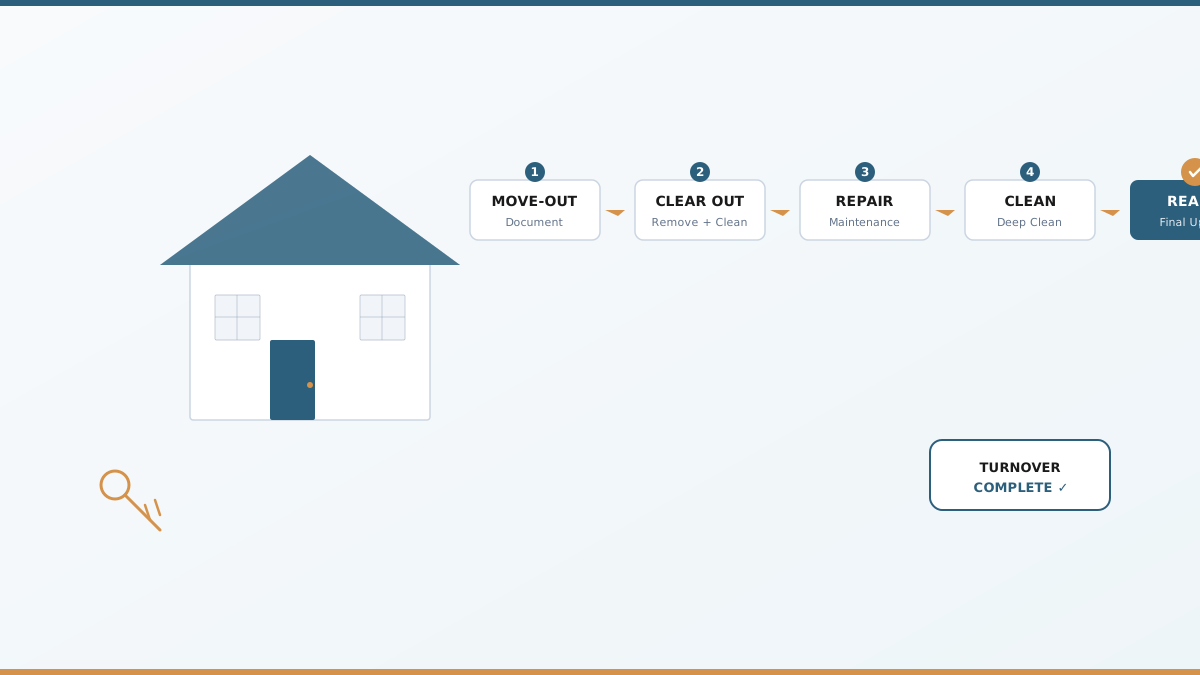
1. What Is a Rental Property Turnover?
In property operations, a rental turnover refers to the process that takes place between the departure of one occupant and the arrival of the next — or between occupancy and the property’s next planned stage. This window provides an opportunity to evaluate visible conditions, remove belongings that were left behind, identify needed maintenance, and complete approved work.
A turnover is not the same as full property management, leasing services, or a licensed home inspection. It focuses on the practical, physical preparation of the property: cleanouts, cleaning, minor repairs, exterior care, documentation, and final readiness.
In Sarasota and Manatee Counties, factors such as humidity, landscaping growth, storm-season concerns, and vacancy duration can affect what needs attention between occupants. A clear turnover process helps landlords and property managers address what is visible, organize what is needed, and document what has been completed.
Need help preparing a rental for its next stage?
Suncoast provides rental turnover coordination, cleanouts, and make-ready services throughout Sarasota and Manatee Counties.
Request an Estimate2. Before Entering the Property
Before any turnover work begins, several practical items should be confirmed. Access must be authorized — whether through keys, lockboxes, gate codes, or community entry — and the occupancy status verified. Owners and managers should confirm that applicable laws, lease terms, association rules, and access procedures have been followed.
Utility status should be checked: are water, electricity, and other services active? If utilities have been disconnected or shut off, certain observations and tasks may not be possible until they are restored.
Any client-provided checklists, documentation expectations, and service limitations should be reviewed before the first on-site visit. Defining the property-check scope in advance helps avoid misunderstandings about what will — and will not — be documented or addressed.
If there are signs that the property may still be occupied, or if the legal status of occupancy is unclear, the entry should not proceed until the property owner or manager confirms authorization in writing.
3. Document the Visible Starting Condition
Before any cleanup or repairs begin, a room-by-room visual assessment creates a baseline record of what the property looked like when the turnover started. This is not a home inspection — it is a practical, visual observation of accessible surfaces and areas.
- Room-by-room written notes describing visible conditions
- Photographs of agreed areas when photography is authorized
- Inventory of abandoned belongings left behind
- General cleanliness assessment
- Visible wall and ceiling conditions
- Flooring observations across each room
- Door and window conditions in accessible areas
- Cabinets, countertops, and accessible vanity conditions
- Fixture observations — sinks, faucets, lighting, hardware
- Accessible exterior areas including entryways, patios, and walkways
Documentation at this stage creates a practical reference for planning the turnover and does not determine tenant responsibility, normal wear and tear, causation, or security-deposit deductions.
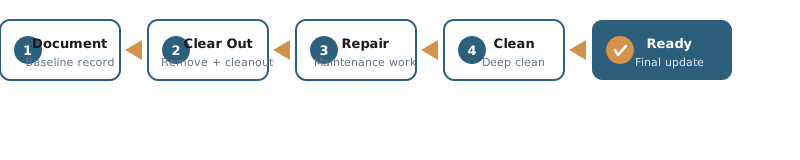
Turnover Workflow
4. Identify Cleanout Needs
It is common for items to remain in a property after a move-out. These may include furniture, household goods, boxed clutter, garage contents, storage-area items, and accumulated debris. The turnover process should catalog what remains and determine whether it can be removed within the approved service scope.
Typical cleanout needs may include:
- Furniture and mattresses
- Household items and bagged clutter
- Garage, shed, and storage-area contents
- Approved nonhazardous debris
- Items requiring specialized handling or third-party disposal
Suncoast provides property cleanout services that can be coordinated with turnover work. Materials such as hazardous chemicals, paint, fuels, medical waste, and biohazards require specialized handling and are outside Suncoast’s scope. Learn more about Junk Removal & Cleanouts →
5. Build the Maintenance and Punch List
After the property has been documented and clutter removed, it is easier to identify visible maintenance items. A punch list organizes the specific tasks that need attention before the property is ready for its next stage.
Common visible maintenance items may include:
- Loose cabinet or door hardware
- Damaged trim, baseboards, or molding
- Wall patching and touch-up needs
- Door adjustments or re-latching issues
- Visible fixture concerns
- Missing or damaged basic items such as blinds, vent covers, or switch plates
- Cleaning needs in kitchens, bathrooms, and living areas
- Exterior cleaning and presentation items
The punch list should distinguish between items Suncoast can address within its scope and items that should be referred to a licensed contractor. Property owners and managers should never be advised to perform regulated or dangerous work themselves. If in doubt, consult the appropriate licensed professional.
6. Identify Work Requiring a Licensed Professional
Not every visible concern belongs on a turnover punch list. Some observations should prompt a referral to the appropriate licensed professional. Suncoast does not diagnose systems, determine causation, or perform regulated trade work.
Examples of concerns that typically require a licensed professional include:
- Electrical concerns beyond a visibly loose cover plate
- Major plumbing concerns such as suspected pipe leaks, water-heater issues, or sewer odors
- HVAC diagnosis or repair
- Roofing issues
- Structural concerns including cracks, settlement, or framing questions
- Mold or environmental concerns requiring professional assessment
- Permitted construction or renovation work
- Pest-control services where licensing is required
When Suncoast identifies a visible concern that may fall into one of these categories, the observation is documented and the owner or manager is advised to contact the appropriate licensed provider.
7. Exterior and Curb-Appeal Review
The exterior of a rental property is often the first impression for prospective tenants, buyers, inspectors, appraisers, and property owners. A simple exterior walk-around can identify visible concerns that affect presentation, safety, and owner confidence.
Items to observe include:
- Entryways and walkway conditions
- Driveway staining or surface debris
- Patio and lanai cleanliness and condition
- Visible exterior staining on walls, soffits, or fences
- Debris, leaves, or vegetative buildup
- Gate function and condition
- General exterior presentation
Pressure washing can restore surface appearance for driveways, walkways, patios, entry areas, and exterior walls where appropriate. Explore Pressure Washing & Exterior Cleaning →
8. Complete Approved Make-Ready Work
Once the starting-condition documentation is complete, cleanout needs are identified, and the maintenance punch list is approved, the make-ready work can begin. Coordinating these tasks in a logical sequence helps the turnover move efficiently.
A typical sequence might be:
- Complete the cleanout — remove abandoned items, debris, and clutter
- Perform approved minor repairs and maintenance items
- Exterior cleaning — pressure washing, walkways, patios, entryways
- Interior cleaning preparation
- Final walkthrough and completion documentation
Tasks that require a licensed contractor should be scheduled and completed before the final documentation walkthrough so the owner has a current picture of the property’s condition.
9. Document the Visible Final Status
After the approved work is complete, a final visual walkthrough confirms what was done and what may still require attention. This step is about communication, not certification.
Completion documentation may include:
- Photographs of completed areas when included in the service plan
- Notes on remaining visible concerns
- Areas that were not accessed or could not be documented
- Updates on authorized service work that was completed
- Final readiness notes for the owner or property manager
Completion documentation does not certify workmanship, habitability, code compliance, system performance, or readiness for legal occupancy. It provides a practical visual record that the owner can use when making decisions about the next steps.
10. Rental Turnover Checklist
Use the categories below to organize a property turnover. This checklist is a practical guide — every property is different, and items should be adjusted to the specific property, owner requirements, and service scope.
Access and Utilities
- Authorized entry confirmed and documented
- Keys, lockboxes, or access codes verified and working
- Utility status checked (water, electric, other)
- Occupancy status confirmed
- Client checklist reviewed and service scope confirmed
Starting-Condition Documentation
- Room-by-room notes completed
- Visible wall, ceiling, and floor conditions documented
- Door and window observations recorded
- Cabinet, countertop, and fixture conditions noted
- Exterior areas included in scope documented
- Photographs taken where authorized and included
Belongings and Cleanout
- Abandoned belongings inventoried
- Furniture and household items identified for removal
- Garage, shed, and storage-area contents reviewed
- Approved nonhazardous debris flagged
- Items requiring specialized handling noted and excluded
Interior Maintenance
- Loose hardware tightened or noted
- Wall patching and touch-up needs identified
- Door adjustments completed where approved
- Visible fixture concerns documented
- Missing or damaged basic items noted
- General cleaning needs assessed
Exterior Condition
- Entryways, walkways, and driveways reviewed
- Patios and lanais assessed
- Visible exterior staining noted
- Debris and vegetative buildup identified
- Gates and fences checked where included
- General curb-appeal observations recorded
Cleaning
- Kitchen surfaces, cabinets, and appliances assessed
- Bathroom fixtures, surfaces, and mirrors reviewed
- Flooring cleaning needs identified
- Window and blind cleaning evaluated
- General dusting, baseboard, and fixture cleaning noted
- Exterior cleaning needs (pressure washing, debris removal) documented
Licensed-Trade Referrals
- Electrical concerns that exceed minor-repair scope flagged
- Plumbing concerns beyond a visible fixture noted
- HVAC performance or diagnosis needs identified
- Roofing issues documented
- Structural or framing concerns observed
- Mold, environmental, or pest concerns requiring licensed evaluation noted
Completion Documentation
- Final walkthrough completed
- Before-and-after photographs taken where authorized
- Approved service-work completion noted
- Remaining visible concerns documented
- Areas not accessed identified
- Next-step recommendations provided to owner or manager
Final Owner or Manager Review
- Documentation package delivered
- Service scope vs. completed work compared
- Remaining items and referrals discussed
- Recurring care or ongoing maintenance plan considered
11. When to Use a Property Turnover Partner
Many landlords and property managers coordinate turnovers themselves — particularly when the work is light, local, and straightforward. As properties, schedules, and scopes grow more complex, a coordinated field-services partner can help reduce the number of vendors involved and keep the turnover moving in a logical sequence.
A turnover partner may be particularly valuable when the owner or manager is out of the area, managing multiple properties, or dealing with a turnover that requires cleanout, maintenance, exterior cleaning, documentation, and licensed-trade referrals in a compressed timeframe.
Suncoast provides rental turnover and punch-list services that connect cleanout, documentation, maintenance, exterior cleaning, and recurring care under one coordinated service relationship. Specialized or regulated work is referred to appropriately licensed professionals.
For the budgeting side of the same work, what determines rental turnover cost in Sarasota and Bradenton breaks down the factors that set a scope, and why vacancy days usually cost more than the invoice.