
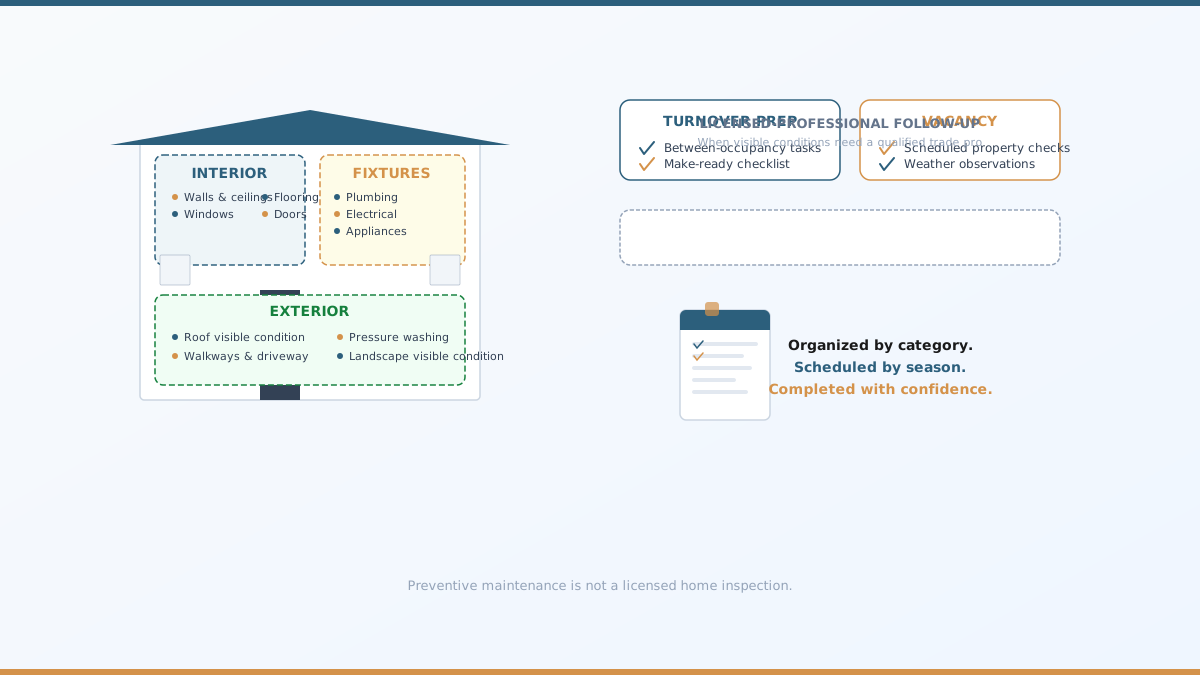
1. How to Use This Checklist
This checklist is a planning tool, not a universal schedule. Properties differ by age, construction, equipment, location, occupancy status, and insurance or association requirements. Use this checklist as a starting point, adjusting which items apply and when they should be addressed based on the specific property.
When a checklist item involves a regulated system — HVAC, electrical, plumbing, roofing, or structural — the appropriate licensed professional should be engaged. Suncoast handles visible, non-regulated property-maintenance items and general upkeep; we coordinate with licensed professionals when specialized work is required.
Need help with your preventive maintenance checklist?
Suncoast provides recurring property care and maintenance planning throughout Sarasota and Manatee Counties.
Request an Estimate2. Interior Preventive Maintenance Checklist
Interior items that are useful to review periodically — during a turnover, a maintenance visit, or a scheduled property check:
- Visible plumbing connections under sinks and around toilets — any signs of moisture, staining, or corrosion
- Ceilings and walls — any new or worsening staining, cracks, peeling paint, or visible surface changes
- Flooring — any warping, staining, loose tiles, or visible wear exceeding ordinary use
- Doors and accessible windows — latch operation, visible seal condition, any obvious air gaps
- Kitchen — sink, faucet, disposal, cabinets, counters, and appliance exteriors for visible condition
- Bathrooms — sinks, faucets, tubs, showers, toilets, exhaust-fan function, and visible caulking
- Thermostat display — on, showing a reading, and without any obvious error indicator (no HVAC diagnosis)
- Light fixtures and ceiling fans — visible condition, no obvious wobble or damage
- Smoke and carbon-monoxide detectors — presence, visible condition, and any test-button chirp or indicator (replace batteries per manufacturer guidance)
- Unusual odors — musty, chemical, or gas-like smells that should be investigated by a qualified professional
- Attic access area — visible condition from the access opening without entering the attic space
- Water-heater area — any visible leaks, corrosion, or standing water near the unit (system diagnosis by a licensed plumber)
3. Exterior Preventive Maintenance Checklist
Exterior items that are useful to review at least a few times per year and after significant weather events:
- Exterior walls — new visible cracking, staining, surface growth, or siding damage
- Roof (from ground level) — missing or displaced materials, visible sagging, debris accumulation
- Gutters and visible downspouts — blockage, detachment, or overflow staining on exterior walls
- Driveways, walkways, patios, lanais — visible staining, cracking, surface wear, or trip hazards
- Entryways — door hardware, latch operation, weatherstripping, and general clearance
- Fences and gates — visible damage, proper latching, displaced sections, and wood rot or metal corrosion
- Landscaping — vegetation touching the structure, overgrowth blocking walkways, any vines on walls
- Exterior lighting — fixtures visible, no obvious damage, bulbs operational where accessible
- Sprinkler or irrigation heads — visible damage, misdirected spray, or areas of obvious overwatering
- Standing water — any areas where water collects and remains after rain (drainage evaluation by a qualified professional)
- Outdoor equipment and amenities — visible condition of anything on the property designated as owner-provided
- Pressure washing — note when exterior surfaces were last cleaned and whether visible staining or growth has accumulated
4. Seasonal and Local-Condition Items
Certain maintenance items are tied to Florida’s seasons or specific local conditions in Sarasota and Manatee Counties:
- Hurricane season (June–November) — storm-preparation planning, loose exterior items, post-storm visual checks
- Summer humidity — increased attention to visible moisture indicators indoors, thermostat display monitoring
- Rainy-season exterior growth — more frequent landscaping and exterior-surface review
- Seasonal-resident arrival and departure periods — documentation review, service scheduling, property presentation
- Coastal-proximity considerations — increased exterior-surface review for properties within several miles of the coast
- Winter and cool-season attention — any visible freeze-related concerns for exposed plumbing or irrigation (less common in Sarasota-Manatee but not impossible)
5. Maintenance Between Tenants vs. During Occupancy
Some maintenance items are easier to address when a property is empty between tenants; others can and should be addressed during occupancy. Planning which items fall into which category helps avoid scheduling pressure when a vacancy is short.
Best addressed between tenants:
- Deep-cleaning floors, carpets, and surfaces
- Painting and wall-surface work
- Appliance visible-condition review and thorough cleaning
- Furniture or large-item removal for disposal
- Any work that requires extended access to multiple rooms
Can be addressed during occupancy:
- Exterior surface cleaning and pressure washing
- Exterior wall, fence, and landscaping review
- Visible plumbing-connection checks (quick, non-invasive)
- Thermostat-display observation
- General walk-around review of visible interior conditions
- Smoke-detector battery replacement
One approach that works well for properties with predictable turnover schedules: schedule cosmetic and surface-level items for the vacancy window and handle recurring exterior and walk-through items on a set calendar. This way the vacancy is not consumed by tasks that could have been addressed earlier, leaving more time for the work that genuinely requires an empty property.
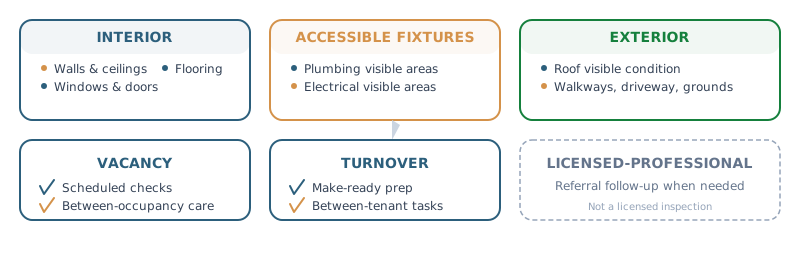
Property Maintenance Zones
6. Documenting Maintenance Over Time
Preventive maintenance is more effective when it is documented consistently:
- Keep dated photographs of visible conditions at each review, organized by visit
- Maintain a written record of what was observed and what was addressed, organized by date and by property area
- Use a consistent format across all properties so anyone reviewing the record can quickly understand the property’s history
- Note when a licensed professional was engaged so there is a record of who addressed what
- Store records in a location accessible from anywhere — cloud storage or a property-management platform — so the owner or manager can reference conditions without being on site
7. Preventive Maintenance Checklist
The checklist below consolidates the items above into a single reference. Use this as a starting point and adjust to each property’s specific conditions, occupancy, season, and requirements.