
1. How to Use This Calendar
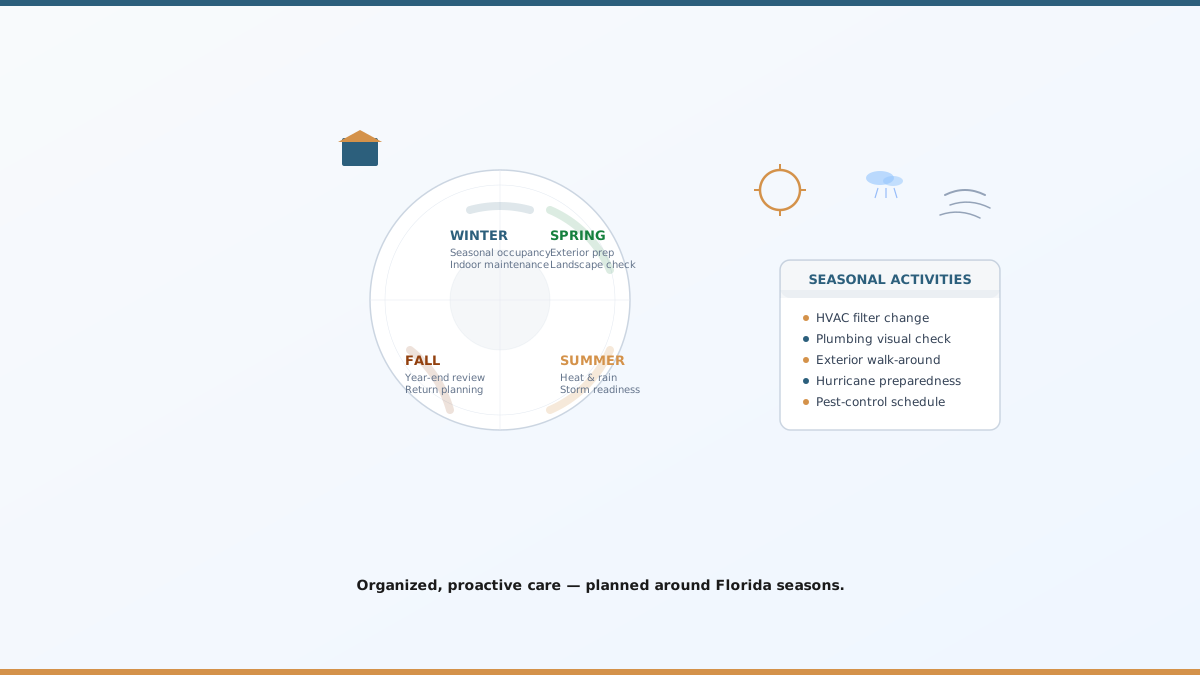
This calendar is a planning framework, not a universal schedule. Every Florida rental property differs in ways that affect when and how maintenance tasks should be approached:
- Property age and construction type
- Occupancy status — occupied, vacant, or seasonal
- Equipment type, age, and manufacturer recommendations
- Location and exposure to coastal conditions
- Homeowner or condominium association rules
- Insurance-policy requirements
- Manufacturer guidance for appliances and systems
- Existing service agreements and provider availability
Use this calendar as a starting point to build a property-specific plan. When in doubt about a particular system, component, or condition, consult the manufacturer documentation, a qualified professional, or the appropriate licensed contractor.
Need help building a preventive maintenance plan?
Suncoast provides recurring property care and seasonal upkeep planning throughout Sarasota and Manatee Counties.
Request an Estimate2. Monthly Property-Care Observations
Regardless of the season, certain visible observations are useful to conduct on a regular basis. These are non-diagnostic checks — recording what can be seen without opening walls, operating systems beyond basic observation, or performing regulated trade work.
The value of consistent monthly observations compounds over time. A photograph of a wall taken each month creates a timeline that shows when a stain appeared, whether it grew, and whether it stabilized. Without that timeline, the same observation is harder to interpret.
- Visible leaks under sinks, around toilets, or near accessible plumbing connections
- Wall or ceiling staining that may indicate water intrusion
- Doors and accessible windows — latching, visible damage, obvious air gaps
- General exterior debris — fallen branches, accumulated leaves, wind-blown items
- Entryways and walkways — trip hazards, visible damage, general condition
- Visible fixture concerns — loose hardware, dripping faucets, missing components
- General cleanliness — kitchens, bathrooms, living areas, exterior surfaces
- Unusual odors — musty, chemical, or gas-like smells that warrant investigation
- Thermostat display — checking for a display reading and any obvious error indicator without diagnosing HVAC operation
Seasonal Property Care Planning
3. Winter and Seasonal-Resident Periods
Winter months bring many seasonal residents back to Sarasota and Manatee Counties. For occupied properties, this is a good time to check visible interior and exterior conditions while the property is in active use. For properties that remain vacant, winter presents specific considerations including cooler temperatures and reduced landscaping growth.
- Confirm occupancy plans and access arrangements for the season
- Document visible property conditions upon seasonal arrival and before departure
- Review exterior presentation — entryways, walkways, driveways, and general curb appeal
- For vacant properties, confirm the visit schedule and access arrangements
- Verify that service-provider contact information is current
- Check for any visible changes that may have occurred since the last documented visit
4. Spring Property Preparation
Spring is an ideal season to address visible exterior conditions that developed over the winter and to prepare for the heat, humidity, and storm activity of the coming months.
- Evaluate exterior surface conditions — driveways, walkways, patios, and lanais for visible staining, cracking, or debris buildup
- Inspect accessible exterior walls for visible staining, mold or mildew on surfaces, or new cracks
- Check gate function and fence conditions
- Document any visible wear that may need attention before summer
- Begin storm-season planning — review contact lists, documentation procedures, and any insurer or association requirements
- Coordinate pressure washing and exterior cleaning if surfaces are showing accumulated grime
5. Summer Heat, Rain, and Humidity
Florida summers combine high temperatures, frequent rain, and persistent humidity. These conditions can affect vacant and occupied properties differently, but all properties benefit from regular visual awareness during this season.
- Watch for visible moisture concerns — ceiling stains, wall discoloration, warped flooring, or baseboard changes
- Note any unusual indoor odors that may indicate hidden moisture, pest activity, or ventilation issues
- Observe thermostat displays for reading and any error indicators — without diagnosing HVAC system performance
- Check for rapid exterior growth — landscaping overgrowth near the structure, vines on walls, vegetation blocking walkways
- Document visible exterior staining that may develop quickly during rainy periods
- If standing water is observed near the foundation after rain, note its location and duration for drainage evaluation by a qualified professional
Suncoast does not diagnose HVAC systems, perform mold assessment, or provide structural drainage analysis. Observations that suggest a system or environmental concern should be referred to the appropriate licensed professional.
6. Hurricane-Season Planning
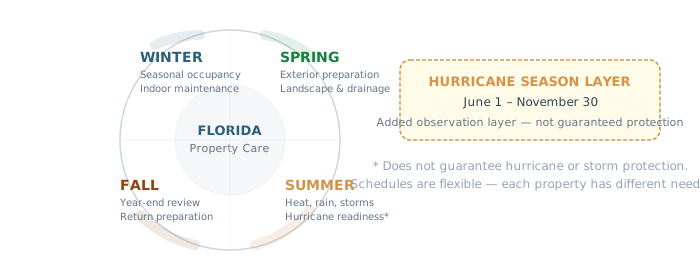
Hurricane season runs from June through November. For rental property owners and managers, preparation is about having a clear plan before severe weather is forecast — not scrambling when a storm is already in the Gulf.
- Maintain current property documentation — dated photographs and written notes of visible exterior and interior conditions provide a pre-storm baseline
- Keep an updated contact list — owner, property manager, local authorized contacts, insurance agent, and service providers
- Identify approved preparation tasks — securing outdoor furniture, clearing loose exterior items, checking accessible shutters
- Confirm association and insurer requirements for storm preparation and post-storm reporting
- After a storm passes, schedule a visual property check when safe access is available to document any visible changes
- Refer structural, roofing, electrical, or flood-related concerns to the appropriate licensed professional
Suncoast does not guarantee storm protection, damage prevention, or immediate post-storm availability. Specialized assessments should be performed by appropriately licensed professionals.
7. Fall and End-of-Year Property Review
As hurricane season winds down and seasonal residents prepare to return, the fall months provide a natural opportunity to review the property's overall condition and plan the coming year's maintenance.
- Schedule pressure washing or exterior cleaning if surfaces have accumulated staining or debris during the summer months
- Check entryways, walkways, and driveways for visible wear, cracking, or trip hazards
- Review all visible maintenance items documented during the year — what was addressed, what remains, and what should be prioritized
- Plan recurring-care schedules for the coming year, including vacant-property checks, exterior cleaning, and seasonal coordination
- If a turnover is anticipated, begin organizing documentation, cleanout planning, and maintenance-punch-list preparation
- Organize property documentation from the past year so before-and-after comparisons are straightforward
8. Maintenance Planning During Vacancy
Vacant properties need consistent awareness even when no one is living there. A recurring visit plan ensures that visible concerns are identified and communicated before they escalate.
Vacant Property Checks & Home Watch → provides scheduled visual property visits with organized documentation so owners and managers stay informed between visits.
9. Maintenance Planning During a Rental Turnover
The period between tenants is one of the most important windows for preventive maintenance. With the property empty and accessible, owners can address visible items that are harder to reach during occupancy.
Rental Turnovers & Punch Lists → coordinates cleanout, maintenance, exterior cleaning, and documentation so the turnover moves through a logical sequence of approved work.
10. When to Contact a Licensed Professional
Not every visible concern should be addressed by a general property-services provider. The following situations typically require a licensed professional:
- Electrical concerns — flickering lights, warm outlets, tripping breakers, exposed wiring
- HVAC diagnosis or repair — inability to maintain temperature, unusual noises, error codes
- Major plumbing — suspected pipe leaks, sewer odors, water-pressure changes, water-heater issues
- Roofing — missing or damaged materials, interior ceiling staining of uncertain origin
- Structural concerns — new or worsening cracks, settling indicators, framing questions
- Mold or environmental concerns — visible growth exceeding surface cleaning, or conditions suggesting a hidden moisture source
- Pest control requiring a licensed provider
- Any work requiring a permit under local building codes
11. Seasonal Maintenance Calendar
The following calendar organizes common property-care observations by season. Adjust timing and scope to each property's specific conditions, occupancy, and requirements.
Winter (December – February)
- Document visible conditions upon seasonal arrival and before departure
- Review exterior presentation and curb appeal
- Confirm vacant-property visit schedule and access
- Verify service-provider contact information is current
- Check for any visible changes since last documented visit
- Inspect accessible doors and windows for proper latching
Spring (March – May)
- Evaluate driveways, walkways, patios, and lanais for visible staining or debris
- Check accessible exterior walls for new cracks or surface growth
- Test gate function and fence stability
- Begin storm-season planning — contact lists, documentation, insurer requirements
- Schedule pressure washing if surfaces show accumulated grime
- Document visible wear that may need attention before summer heat
Summer (June – August)
- Monitor for visible moisture concerns — ceiling stains, wall discoloration
- Note unusual indoor odors that may indicate hidden moisture or pests
- Observe thermostat display without diagnosing HVAC operation
- Check for rapid exterior growth near structures and walkways
- Secure loose exterior items as storm season intensifies
- Document visible exterior staining from frequent rain
Fall (September – November)
- Schedule exterior cleaning for surfaces affected by summer weather
- Review all documented maintenance items from the past year
- Plan recurring-care schedules for the upcoming year
- Organize turnover planning if a tenant change is anticipated
- Check entryways, walkways, and driveways for visible wear or hazards
- Organize annual property documentation for before-and-after comparison